



Welcome to our treasure trove of antique rugs, where history meets elegance, and every thread tells a story of timeless beauty. Discover exquisite handcrafted masterpieces, meticulously woven by skilled artisans from around the globe, each rug bearing the hallmark of tradition and craftsmanship.
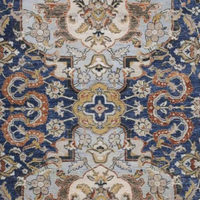
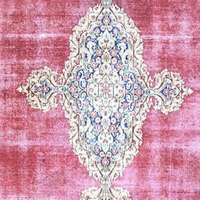
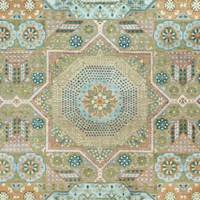
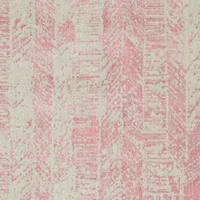
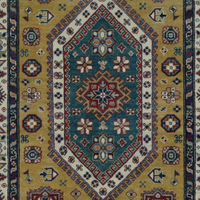
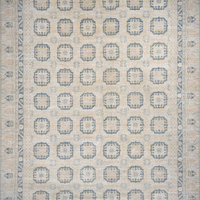
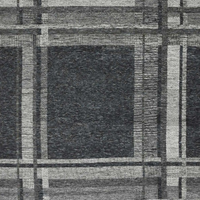
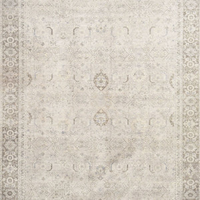
253 products


Hand-Woven Rugs — Ancient Craft, Enduring Beauty
Hand-woven rugs are one of humanity’s oldest and most widespread craft traditions — produced across cultures from Anatolia to the Andes, from the Caucasus to Central Asia, for thousands of years before pile-knotting techniques emerged. Where hand-knotted rugs build their structure knot by knot, hand-woven rugs are created by interlacing warp and weft threads on a loom to produce a flat, reversible textile of extraordinary versatility and durability. At Merchants Of Asia, our hand-woven collection spans the great flatweave and tapestry traditions of the East — kilims, dhurries, and soumaks — each with its own technical character, regional identity, and design vocabulary.
What is a Hand-Woven Rug?
Hand-woven rugs are constructed entirely on a loom without a pile — the weft threads are woven through the warp to create a flat, smooth textile surface. This distinguishes them from hand-knotted rugs (which have a raised pile) and hand-loomed rugs (which may have a pile but use a powered or mechanically assisted loom). Hand-woven rugs are typically lighter, more reversible, and more portable than pile rugs — qualities that made them the natural choice of nomadic peoples across Central Asia and the Middle East for centuries.
Types of Hand-Woven Rugs in This Collection
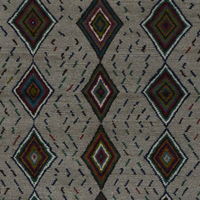
- Kilims — the most widespread flatweave tradition in the world, produced across Turkey, Persia, Afghanistan, and the Caucasus. Kilims are woven in bold geometric patterns — diamonds, chevrons, stepped medallions, and tribal motifs — using tightly packed weft threads in a slit-weave technique that creates clean, precise color fields. Fully reversible, lightweight, and incredibly durable.
- Dhurries — the Indian flatweave tradition, typically woven in cotton or wool on horizontal ground looms. Dhurries tend toward softer color palettes and more geometric or striped compositions, making them ideal for relaxed, casual, and contemporary interiors. Lightweight, washable, and practical for everyday use.
- Soumaks — a more complex weft-wrapping technique that produces a slightly textured, tapestry-like surface with greater design complexity than standard kilims. Soumak rugs originate primarily from the Caucasus and northwestern Persia, and their herringbone-like texture makes them thicker and more durable than slit-weave kilims.
Why Choose a Hand-Woven Rug?
- Completely flat, reversible construction — both sides of a kilim or dhurrie are usable, effectively doubling the rug’s lifespan
- Lightweight & easy to move — ideal for apartments, rental properties, and spaces where flexibility matters
- Exceptionally durable — no pile to crush or wear down; a well-made kilim can last generations with minimal care
- Natural fibers throughout — wool, cotton, and silk; breathable, hypoallergenic, and sustainably produced
- Bold, graphic design impact — the rectilinear geometry of flatweave construction produces some of the most striking and graphic rug designs in the world
- More accessible price point — hand-woven rugs typically offer exceptional value relative to hand-knotted alternatives of comparable size
Interior Style Pairings
Hand-woven rugs are among the most interior-versatile pieces in our collection. A bold kilim anchors a bohemian or globally inspired living room with ease. A soft cotton dhurrie brings casual warmth to a bedroom or sun room. A soumak adds textural interest to a transitional or eclectic dining room. They layer beautifully under furniture, work as wall hangings, and complement both minimal and maximalist interiors with equal confidence.
Care & Longevity
Hand-woven flatweave rugs are among the easiest handmade rugs to maintain. Vacuum from both sides regularly (no beater bar needed given the flat construction), rotate every 6–12 months, and use a thin rug pad to prevent slipping. Many cotton dhurries can be spot-cleaned or even machine-washed on a gentle cycle — check individual product care instructions. For wool kilims and soumaks, professional cleaning every few years is recommended.
Frequently Asked Questions — Hand-Woven Rugs
What is the difference between a hand-woven and a hand-knotted rug?
Hand-knotted rugs are built by tying individual knots of yarn onto a warp foundation to create a pile surface — a highly labor-intensive process that produces thick, plush rugs with complex designs. Hand-woven rugs (flatweaves) are constructed by interlacing warp and weft threads without a pile, producing a flat, reversible, lightweight textile. Hand-knotted rugs are generally more expensive and formal; hand-woven rugs offer exceptional durability, graphic design impact, and versatility at a more accessible price.
Are hand-woven rugs durable?
Yes — hand-woven rugs in natural wool are among the most durable floor coverings available. Because they have no pile to crush or wear, a well-maintained kilim or soumak can remain in excellent condition for generations. Many antique kilims woven 100+ years ago are still in active use today.
Can hand-woven rugs be used outdoors?
Natural fiber hand-woven rugs (wool and cotton) are not recommended for prolonged outdoor use or direct exposure to moisture. However, they perform well in covered outdoor spaces such as screened porches or sheltered patios where they are protected from rain and direct sunlight. Always bring them indoors during wet weather.
Are kilims and flatweave rugs the same thing?
A kilim is a specific type of flatweave rug using a slit-weave technique, originating primarily from Turkey, Persia, and the Caucasus. All kilims are flatweave rugs, but not all flatweave rugs are kilims — dhurries (Indian flatweaves) and soumaks (weft-wrapped Caucasian rugs) are also flatweave constructions with their own distinct techniques and aesthetics.
How do I stop a hand-woven rug from slipping?
Use a quality thin rug pad designed for flatweave rugs — standard thick rug pads can cause flatweaves to bunch. Look for pads specifically labeled for flatweave or low-pile rugs. Double-sided tape can also be used for smaller pieces on smooth floors.
Browse the full collection and discover the ancient art of hand-woven rugs — crafted by hand, built to last, and beautiful from both sides.